Search engine optimization has become an essential part of digital marketing for businesses that want to increase online visibility, attract qualified visitors, and generate consistent leads. However, one of the first questions business owners often ask is how much SEO actually costs. Search engine optimization pricing can vary significantly depending on the size of a business, the level of competition, the services required, and the experience of the SEO provider.
Understanding what influences SEO costs can help businesses set realistic expectations and choose a strategy that delivers long-term value rather than simply selecting the cheapest option.
Understanding Search Engine Optimization Pricing
Search engine optimization pricing refers to the amount a business invests in professional services designed to improve its visibility in search engine results. Unlike some forms of advertising, SEO is generally a long-term marketing investment. Results may take time to develop, but successful optimization can continue generating traffic after the initial work has been completed.
Pricing models can include monthly retainers, hourly consulting, project-based fees, or performance-focused arrangements. Each model has advantages depending on the company’s goals and available budget.
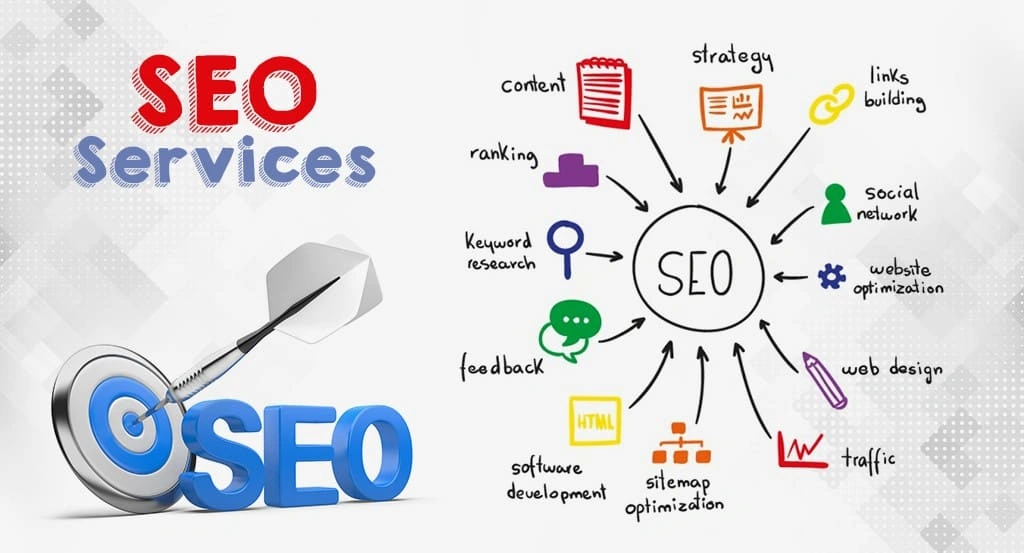
For businesses with ongoing SEO requirements, monthly retainers are common. These arrangements may include keyword research, content optimization, technical improvements, link-building strategies, reporting, and regular performance analysis.
Factors That Influence SEO Costs
Several factors determine how much a company should expect to spend on SEO. The first is the size and complexity of the website. A small local business website with a few dozen pages typically requires less work than a large ecommerce website containing thousands of products.
Competition also plays a major role. Ranking for highly competitive search terms requires more research, content development, authority building, and technical optimization. A business operating in a crowded national market may therefore need a larger SEO investment than a company targeting a smaller local audience.
Another important factor is the current condition of the website. A technically sound website with useful content may require fewer initial improvements. In contrast, websites with slow loading times, poor navigation, duplicate content, indexing problems, or weak page structures may require extensive optimization before meaningful growth can occur.
Common SEO Pricing Models
Businesses can encounter several different pricing structures when researching SEO services.
Monthly SEO retainers are popular because optimization requires ongoing attention. A monthly package may cover technical SEO, content creation, keyword tracking, competitor research, link development, and reporting.
Hourly consulting is another option. This approach can work well for companies that already have an internal marketing team but need guidance from an experienced SEO professional. Businesses can pay for strategic advice, audits, technical recommendations, or training without committing to a complete monthly service.
Project-based pricing is suitable when a company needs a specific SEO task completed. Examples include a technical SEO audit, website migration, keyword research project, or comprehensive content strategy.
Some agencies also offer customized packages based on business goals. These packages allow companies to prioritize specific areas instead of paying for services they do not need.
What Different Businesses May Need to Spend
There is no universal SEO price that works for every organization. A small local business may begin with a relatively modest monthly investment focused on local search visibility, Google Business Profile optimization, on-page SEO, and location-specific content.
A growing company targeting multiple cities or regions may need a more comprehensive campaign. Its strategy could include content marketing, technical improvements, authority building, and extensive keyword research.
Larger organizations and ecommerce businesses often require more significant investments because their websites and competitive landscapes are more complicated. Enterprise SEO may involve thousands of pages, multiple markets, technical integrations, international optimization, and coordination between different marketing teams.
The important point is that businesses should evaluate SEO pricing according to the scope of work and expected business value rather than focusing only on the monthly fee.
Why Cheap SEO Can Become Expensive
Choosing an SEO provider based solely on the lowest price can create problems. Extremely inexpensive services may rely on automated content, low-quality links, outdated optimization methods, or limited analysis. These approaches may produce little improvement and can potentially damage a website’s reputation.
Quality SEO requires research, expertise, creativity, technical knowledge, and continuous monitoring. Professionals need to understand search intent, analyze competitors, evaluate website performance, create useful content, and adjust strategies as search behavior changes.
A higher-quality service may therefore cost more initially but provide stronger long-term value.
What Should Be Included in an SEO Package?
When comparing search engine optimization pricing, businesses should examine what is actually included in each package. A professional service may include a technical website audit, keyword research, on-page optimization, content recommendations, internal linking, competitor analysis, backlink strategy, local SEO, analytics monitoring, and performance reporting.
Clear reporting is particularly important. Businesses should be able to understand what work has been completed and how the website is progressing. Reports may include organic traffic, keyword rankings, conversions, impressions, clicks, and other relevant performance indicators.
Companies should also ask whether content creation is included. Content can represent a significant portion of SEO work, particularly for businesses competing for informational and commercial keywords.
Measuring the Value of SEO Investment
SEO pricing should ultimately be evaluated against business outcomes. Ranking improvements are useful, but rankings alone do not necessarily generate revenue. Businesses should consider whether SEO is increasing qualified traffic, leads, inquiries, sales, or other valuable actions.
For example, a website may receive thousands of additional visitors but generate few customers if those visitors are not relevant to its products or services. A smaller increase in highly targeted traffic could be much more valuable.
Tracking conversions helps businesses determine whether their SEO investment is producing meaningful returns. Over time, this information can also help companies decide where additional SEO resources should be allocated.
How to Choose the Right SEO Provider
Businesses should look beyond pricing when comparing SEO providers. Experience, communication, transparency, strategy, reporting, and previous results are all important considerations.
A reputable provider should explain the proposed strategy clearly rather than making unrealistic promises. Search rankings can be influenced by many factors, so guarantees of immediate first-place rankings should be treated cautiously.
Businesses should also ask about the provider’s approach to content, technical optimization, link building, reporting, and measurement. A clear understanding of these areas makes it easier to compare different proposals.
Planning a Sustainable SEO Budget
The best SEO budget is one that a business can maintain consistently. SEO is rarely an overnight process. Websites generally need ongoing improvements, fresh content, technical maintenance, and performance analysis to remain competitive.
Instead of viewing SEO as a one-time expense, businesses should consider it part of their broader digital marketing strategy. A sustainable investment allows optimization efforts to build momentum and generate stronger results over time.
Final Thoughts on Search Engine Optimization Pricing
Search engine optimization pricing depends on many factors, including website size, competition, business goals, technical requirements, and the level of service provided. There is no single price that is appropriate for every business.
The smartest approach is to compare the scope and quality of services rather than simply choosing the cheapest package. Businesses should invest in strategies that focus on sustainable visibility, relevant traffic, valuable content, technical performance, and measurable conversions.
By understanding what affects SEO costs and evaluating providers carefully, businesses can create a realistic SEO budget and make an investment that supports long-term online growth.