A dependable HVAC system is one of the most important parts of a comfortable home. In Englewood, Colorado, homeowners need reliable heating during cold weather and effective cooling when temperatures rise. Because HVAC equipment works throughout the year, regular maintenance and timely repairs are important for keeping the system performing properly.
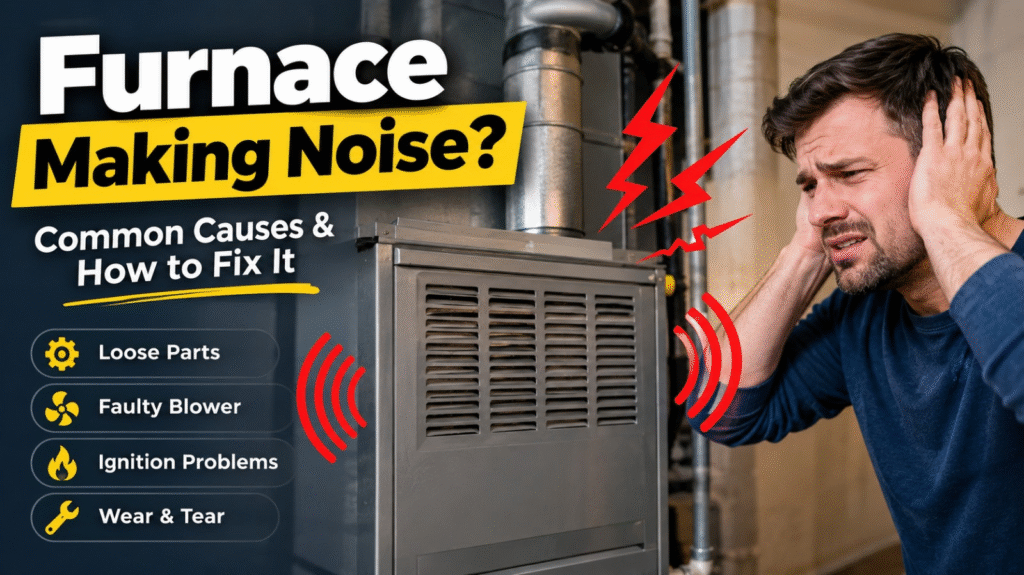
One issue that can be particularly concerning is a Furnace making noise. Although furnaces naturally make sounds while starting and operating, a sudden change in noise level or type can indicate that something needs attention.
If you are searching for heating cooling services in Englewood Colorado, understanding common furnace noises can help you recognize potential problems and decide when professional assistance is appropriate.
Why Does a Furnace Make Noise?
A furnace contains several components that work together to heat and circulate air. Depending on the type of furnace, these components can include burners, an ignition system, blower motor, fan, electrical controls, filters, and duct connections.
Because these parts operate together, some noise is expected.
You might hear:
- The thermostat activating the system
- The burners starting
- The blower turning on
- Air moving through ducts
- The furnace shutting down
These sounds should generally remain consistent.
If your Furnace making noise suddenly becomes louder, develops a new sound, or produces a repetitive mechanical noise, it may be time for an inspection.
Common Types of Furnace Noise
Identifying the type of noise can provide helpful clues. However, only a qualified HVAC professional can determine the exact cause.
Banging or Booming
A loud bang when the furnace starts may be associated with ignition or burner problems. In some cases, accumulated dirt can affect burner operation.
A loose component or duct connection may also create a banging sound.
Repeated loud banging should not be ignored. A professional can inspect the furnace and determine what is causing the sound.
Rattling
A rattling sound can sometimes be caused by a loose panel or another component vibrating when the furnace operates.
Ductwork can also produce rattling noises when air pressure changes.
If tightening an easily accessible exterior panel does not resolve the problem, avoid opening the furnace and contact a professional.
Squealing
A high-pitched squeal can be related to moving components such as the blower motor or other mechanical parts.
As components age, wear can affect their operation and create unusual sounds.
If the squealing continues every time the furnace operates, professional service is recommended.
Grinding
Grinding is one of the more concerning furnace noises because it may indicate excessive friction between moving components.
A worn blower motor or bearing can potentially produce grinding sounds.
Continuing to operate a furnace with a persistent grinding noise may increase wear, so arranging an inspection is a sensible step.
Whistling
A whistle can sometimes indicate restricted airflow.
The air filter should be checked first. If it is dirty, replacing it may improve airflow.
However, if the whistle continues, the system may have another airflow restriction involving the ductwork, vents, return air, or another component.
Heating Cooling Services in Englewood Colorado for Furnace Problems
When your heating system develops an unusual sound, professional diagnosis can help prevent unnecessary repairs.
Reliable heating cooling services in Englewood Colorado may include comprehensive support for both heating and cooling equipment.
Depending on the HVAC company, homeowners may receive:
- Furnace repair
- Furnace maintenance
- Heating system inspections
- Air conditioner repair
- AC maintenance
- Thermostat service
- Airflow troubleshooting
- HVAC replacement
- Seasonal tune-ups
- System performance checks
A professional technician can examine the system and determine whether the problem is related to maintenance, a worn component, airflow, or another issue.
Check Your Furnace Filter
One of the first things a homeowner can check when a furnace behaves differently is the air filter.
The filter captures dust and particles from the air. As it becomes dirty, airflow can become restricted.
A restricted filter may cause the furnace to work harder and can affect overall performance.
Check your filter regularly and replace it according to the manufacturer’s recommendations.
If the filter is clean and the Furnace making noise problem continues, the cause may be elsewhere.
Check for Blocked Vents
Poor airflow can sometimes be related to blocked vents.
Furniture, curtains, boxes, rugs, and other objects can accidentally cover supply vents or return-air openings.
Make sure air can move freely around your home’s vents.
If the vents are clear and the furnace continues producing unusual sounds, professional troubleshooting can help determine whether the problem is inside the furnace or within the duct system.
Pay Attention to When the Noise Happens
The timing of a furnace noise can be an important clue.
For example:
Noise during startup: May involve ignition, burners, expansion, or components that activate when the heating cycle begins.
Noise while running: May involve the blower, motor, airflow, or ductwork.
Noise during shutdown: May be related to components cooling down or mechanical movement.
Random noise: Could involve a loose component or intermittent mechanical problem.
When contacting an HVAC technician, explain exactly when the sound occurs. This information can make diagnosis easier.
Why Furnace Maintenance Matters
Regular furnace maintenance can help homeowners identify potential problems before they become major failures.
During maintenance, a qualified HVAC technician can inspect the system, evaluate performance, check appropriate components, and look for signs of wear.
Maintenance can be especially valuable before the heating season.
Instead of discovering a problem when temperatures are extremely cold, homeowners can identify potential concerns earlier.
For this reason, preventive maintenance is an important part of professional heating cooling services in Englewood Colorado.
Don’t Ignore a Changing Furnace Sound
A furnace does not have to stop working completely before it requires attention.
Sometimes unusual noise is an early warning sign.
A small mechanical issue may become more expensive if a damaged or worn component continues operating. Prompt diagnosis may help prevent additional stress on the system.
If your Furnace making noise is becoming louder or more frequent, consider having the system inspected.
Other Signs Your Furnace Needs Attention
Noise is not the only warning sign homeowners should watch for.
Other potential indicators include:
- Uneven heating
- Weak airflow
- Frequent cycling
- Difficulty starting
- Thermostat problems
- Unusual odors
- Increasing energy consumption
- Short heating cycles
- Poor indoor comfort
When multiple symptoms appear together, professional HVAC service becomes even more important.
When to Turn Off a Noisy Furnace
If the furnace produces an extremely loud mechanical noise, persistent grinding, or another serious symptom, shutting down the system and contacting an HVAC professional can help prevent potential damage.
Gas-related symptoms require additional caution.
If you smell natural gas, leave the area and follow the appropriate emergency instructions for your local gas utility. Do not attempt to find or repair a gas leak yourself.
Likewise, smoke or signs of an electrical problem should be treated as a safety concern.
Can Furnace Noise Be Prevented?
Not every furnace noise can be prevented, but good maintenance practices can reduce the likelihood of certain problems.
Homeowners can:
- Replace filters regularly.
- Keep vents unobstructed.
- Schedule professional maintenance.
- Pay attention to unusual sounds.
- Avoid delaying necessary repairs.
- Follow manufacturer maintenance recommendations.
- Keep the area around the furnace clear.
These simple habits can support better HVAC performance.
Repair or Replace a Noisy Furnace?
A noisy furnace does not automatically mean you need a new system.
The right decision depends on the age and condition of the equipment.
A newer furnace with a single worn component may only require a repair. An older system with repeated breakdowns may make replacement worth considering.
Other factors include:
- Repair cost
- System efficiency
- Frequency of breakdowns
- Availability of replacement parts
- Overall furnace condition
- Expected remaining service life
A professional HVAC assessment can help homeowners understand their options.
Heating Cooling Services in Englewood Colorado for Year-Round HVAC Care
Heating and cooling systems require attention in every season.
During winter, furnace performance is a priority. During summer, homeowners depend on their air conditioning systems.
Professional heating cooling services in Englewood Colorado can provide year-round assistance with maintenance, repairs, inspections, and replacement decisions.
Having a trusted HVAC professional can also make seasonal preparation easier.
Instead of waiting for an emergency, homeowners can establish a regular maintenance routine and address developing problems early.
Choosing the Right HVAC Service Provider
When looking for heating cooling services in Englewood Colorado, homeowners should compare providers carefully.
Consider:
Experience
Look for a company with experience servicing residential HVAC systems.
Service Options
A provider offering both heating and cooling services can be convenient for year-round maintenance.
Clear Communication
The technician should explain the problem and recommended solution in understandable terms.
Transparent Recommendations
A trustworthy HVAC provider should explain why a repair is needed rather than simply recommending replacement without inspection.
Customer Reviews
Reviews can provide useful information about other homeowners’ service experiences.
Frequently Asked Questions
Why is my Furnace making noise at night?
You may notice furnace noise more at night because the home is quieter. However, if the sound is new or unusually loud, it should still be investigated.
What does a rattling furnace mean?
Rattling can result from loose panels, ductwork, or vibrating components. A professional inspection can identify the source.
Why does my furnace whistle?
Whistling can sometimes be caused by restricted airflow, including a dirty filter or blocked ductwork. If replacing the filter does not help, professional diagnosis may be necessary.
Is furnace grinding serious?
Grinding can indicate wear or friction involving moving components. It is best to have persistent grinding inspected promptly.
Can regular maintenance stop furnace noises?
Maintenance can help identify worn or loose components and airflow problems before they become more serious. It cannot prevent every possible noise, but it can support reliable operation.
How do I find heating cooling services in Englewood Colorado?
Look for an experienced HVAC provider that offers furnace and AC services, professional inspections, maintenance options, clear communication, and transparent recommendations.
Final Thoughts
A furnace should operate with predictable sounds. If you notice your Furnace making noise that is louder, harsher, or different from what you normally hear, do not automatically assume it is harmless.
Start with simple checks such as the air filter and unobstructed vents. If the sound continues or involves mechanical, ignition, gas, or electrical components, professional service is the appropriate next step.
For homeowners searching for heating cooling services in Englewood Colorado, professional HVAC care can help maintain heating and cooling performance throughout the year.
Regular maintenance, prompt attention to unusual sounds, and professional diagnosis can all contribute to a more dependable HVAC system. Instead of waiting for a noisy furnace to become a complete breakdown, addressing warning signs early can help protect your comfort and your heating equipment.