Long shifts are a regular part of nursing for many healthcare professionals. Spending 10 or 12 hours caring for patients can be physically demanding, especially when much of the shift involves walking, standing, lifting, and moving between different tasks.
Mental concentration is equally important. Nurses must stay attentive, communicate clearly, document information, and respond quickly when situations change. For that reason, a guide for nurses on long shifts should cover both physical comfort and mental well-being.
Build a Pre-Shift Routine
The way you prepare before work can influence how you feel several hours later.
Try to organize your essentials before the shift. Prepare your uniform, shoes, meals, snacks, and water bottle in advance. This can make your morning or afternoon routine less rushed.
If you work rotating shifts, adjust your preparation according to the time of day. The goal is to arrive ready rather than already feeling overwhelmed.
Make Sleep a Priority
Long shifts are difficult when you’re already short on sleep.
Whenever possible, give yourself enough time to rest before reporting to work. A consistent sleep routine can be useful, although rotating and overnight schedules may require flexibility.
For nurses who sleep during the daytime, consider reducing light and noise in the bedroom. A comfortable environment can make it easier to get uninterrupted rest.
Eat Before You Start
Starting a long shift without eating can leave you feeling depleted later.
Choose a meal that fits your dietary needs and provides sustained nourishment. Protein, carbohydrates, fruit, vegetables, and healthy fats can all have a place in a balanced meal.
You don’t need a complicated meal. Something simple and nutritious is often more practical before a demanding shift.
Pack Food for Unexpected Delays
Nursing schedules don’t always go exactly as planned. A patient may need additional attention, an emergency may occur, or your break may happen later than expected.
Having a packed meal and convenient snacks gives you more flexibility.
Consider portable options such as fruit, nuts, yogurt, sandwiches, eggs, or other foods that fit your dietary preferences and workplace storage requirements.
Choose Footwear Carefully
Footwear becomes increasingly important as the hours pass.
A pair of shoes may feel comfortable when you first put them on but become uncomfortable after several hours of standing and walking. Choose footwear with a proper fit and suitable support.
Pay attention to pressure points, heel discomfort, and soreness after work. These may be signs that your current shoes aren’t providing enough comfort.
Consider Compression Stockings
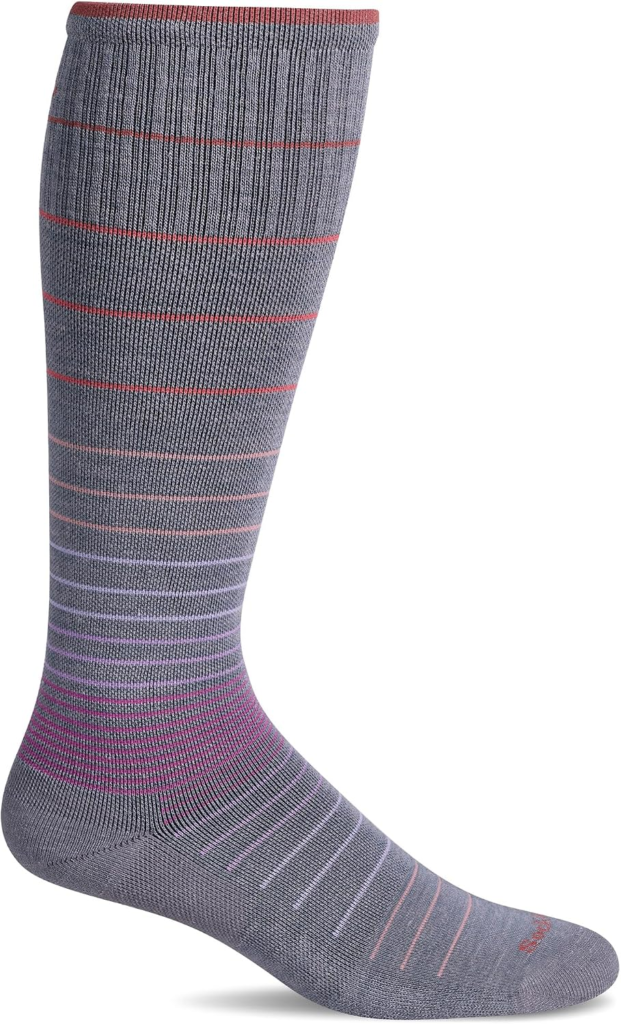
Compression stockings can be part of a long-shift routine for some nurses.
They provide graduated compression along the legs and are available in different strengths. Some people use them to help manage certain types of swelling and discomfort associated with prolonged standing.
However, they aren’t appropriate for everyone. If you have circulation problems, unexplained swelling, or ongoing leg pain, consult a healthcare professional before using compression garments.
Keep Hydration Simple
You don’t need a complicated hydration strategy. Simply make drinking water a regular part of your shift whenever workplace policies permit.
Keep water accessible and take appropriate opportunities to drink during breaks.
If you’ve been given specific fluid recommendations by a healthcare professional, follow those instructions rather than relying on general advice.
Use Your Breaks for Recovery
Breaks are valuable because they give you an opportunity to recover before returning to work.
Try to sit down if you’ve been standing for a long period. Eat your meal, drink water, and allow yourself a few minutes away from work-related tasks.
A break doesn’t need to be long to be useful. Even a short period of rest can help you reset.
Avoid Staying in One Position
Long nursing shifts often involve repetitive movements. You may spend a significant amount of time standing, walking, bending, or sitting while completing documentation.
Whenever your responsibilities allow, change positions. Gentle ankle movements, calf stretches, shoulder rolls, and other simple mobility exercises can be useful.
The purpose is not to exercise during work but to avoid unnecessary prolonged positioning.
Protect Your Mental Energy
Physical fatigue is only one part of the challenge.
After several hours of patient care, your mental energy may also decrease. Organization can help. Keep track of priorities, communicate clearly, and follow established workplace procedures.
During appropriate breaks, try to give your mind a genuine pause instead of immediately moving to another task.
Be Careful With Caffeine
Caffeine may be helpful for alertness, particularly during night shifts, but excessive consumption can affect sleep.
If you drink coffee or other caffeinated beverages, pay attention to how they affect you and when you consume them.
Getting more caffeine isn’t always the answer to persistent fatigue. Adequate sleep and recovery remain essential.
Pay Attention to Your Legs
Long hours on your feet can make the legs feel tired or heavy.
Along with comfortable footwear and appropriate compression support, changing positions and taking suitable breaks can help you manage general discomfort.
If leg symptoms become persistent, severe, or unusual, don’t assume they’re simply caused by your job. Seek appropriate professional advice.
Have a Plan for the End of Your Shift
The final hours of a long shift can be challenging. Instead of rushing through the last part of the day, focus on completing responsibilities safely and methodically.
Once your shift is finished, give yourself time to transition out of work mode. A simple post-shift routine can make it easier to relax and prepare for sleep.
Recover Between Shifts
Recovery becomes even more important when long shifts occur close together.
Prioritize sleep, meals, hydration, and relaxation during your time away from work. Preparing food ahead of time can also save valuable time between shifts.
Try to avoid treating every hour away from work as an opportunity to complete another task. Rest is an important part of maintaining your ability to work effectively.
Recognize Excessive Fatigue
Some tiredness after a long shift is expected, but severe fatigue can become a safety concern.
If you’re having difficulty concentrating, experiencing unusual weakness or dizziness, or feel that you’re unable to perform your responsibilities safely, follow your workplace procedures and communicate with the appropriate person.
Knowing when you need support is an important part of professional self-care.
Create a Long-Shift Routine That Works
Every nurse has a different schedule, workplace, and set of responsibilities. There is no universal routine.
However, a simple approach can include:
- Getting adequate sleep before the shift
- Preparing meals and snacks in advance
- Wearing supportive footwear
- Considering compression stockings when appropriate
- Drinking water regularly
- Taking scheduled breaks
- Changing positions throughout the day
- Managing caffeine carefully
- Protecting recovery time after work
- Seeking professional advice for persistent symptoms
The key is consistency. Small habits are easier to maintain when they become part of your normal routine.
Final Thoughts
A guide for nurses on long shifts should focus on practical strategies rather than unrealistic expectations. Nurses cannot always control how busy their shifts will be, but preparation and self-care can help them manage the physical and mental demands.
Adequate sleep, comfortable footwear, proper hydration, nutritious food, appropriate leg support, regular movement, meaningful breaks, and sufficient recovery can all contribute to better comfort during extended shifts.
Taking care of yourself is an important part of sustaining a demanding nursing career. When nurses protect their own energy and well-being, they are better prepared to stay focused and provide attentive care throughout the shift.